Padel Rules Explained: A Simple Guide for Beginners
Padel is the fastest growing racket sport in Britain. According to the LTA, the number of people playing padel in Britain doubled in 2025 to around 860,000, and there are now more than 1,500 courts across the country. A big reason for that growth is how quickly beginners can pick it up. Most people are rallying within their first session.
That said, a few rules are genuinely different from tennis or squash, and knowing them before you step on court makes your first game far more fun. This guide covers everything a beginner needs, based on the official International Padel Federation (FIP) rules, in plain English.
Padel at a glance
- Played almost always as doubles: two against two
- Court: 20m long by 10m wide, enclosed by glass and mesh
- Net: 88cm high in the middle, up to 92cm at the posts
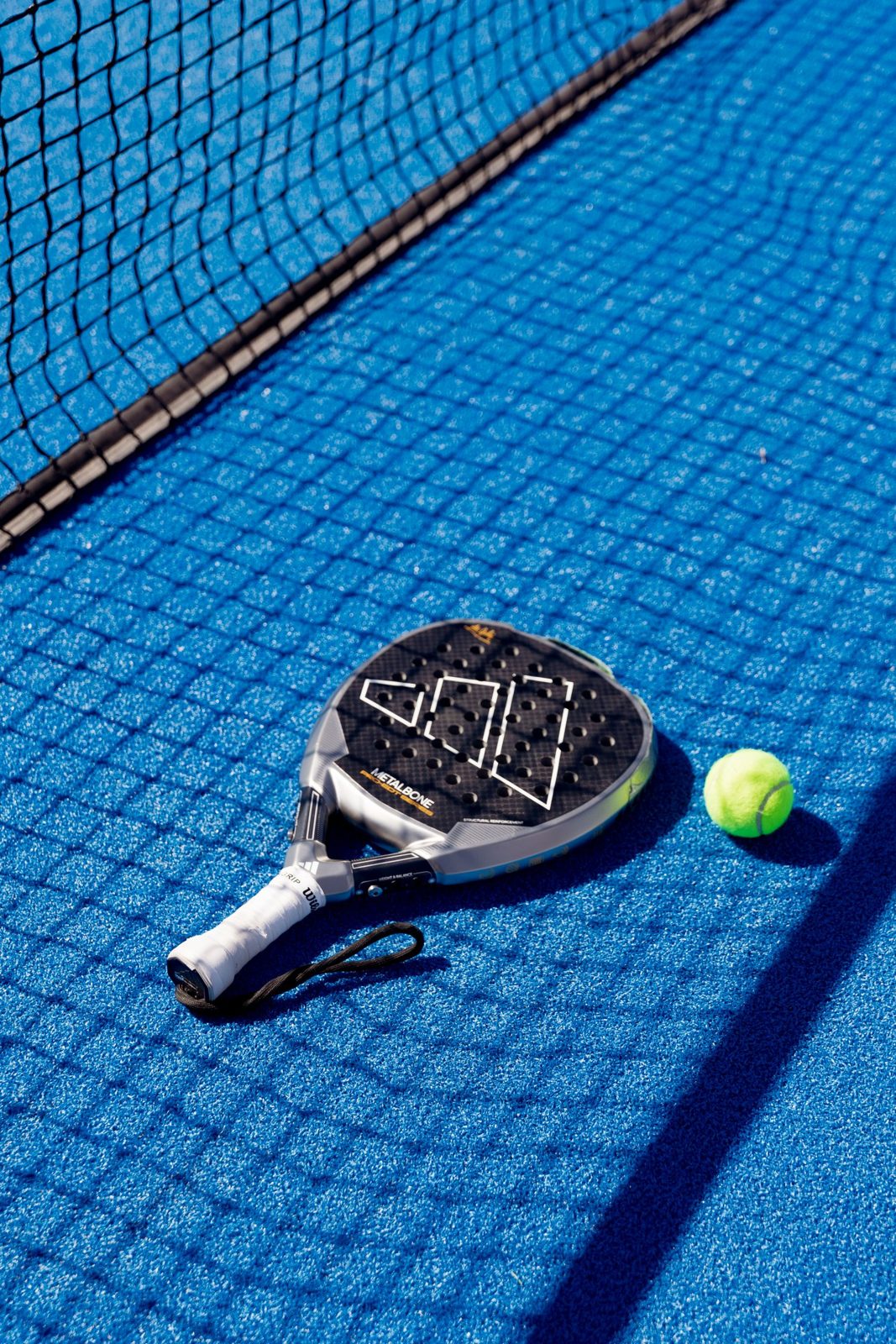
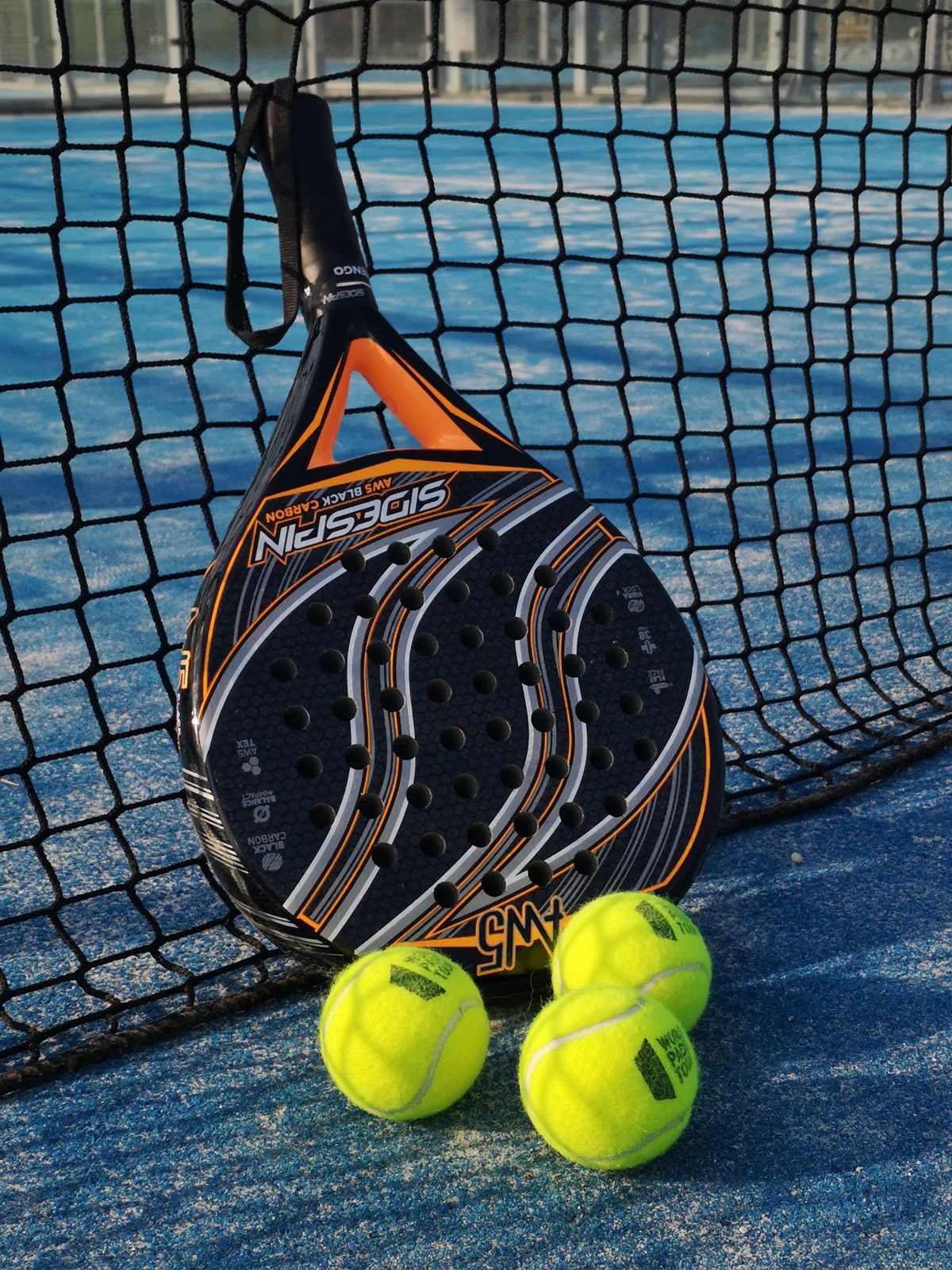
- Racket: solid and stringless, no longer than 45.5cm
- Scoring: exactly the same as tennis
The court
A padel court is 20 metres long and 10 metres wide, about a third of the area of a doubles tennis court. At each end there is a back wall that is 3 metres of toughened glass topped with metal mesh, and the side walls are a mix of glass and mesh. Those walls are not just there to keep the ball in. They are part of the game, and learning to use them is what makes padel so addictive.
Each half of the court is divided into two service boxes by a centre line, and a service line runs across the court a few metres in front of the back glass. That is all the line marking you need to know.
How to serve
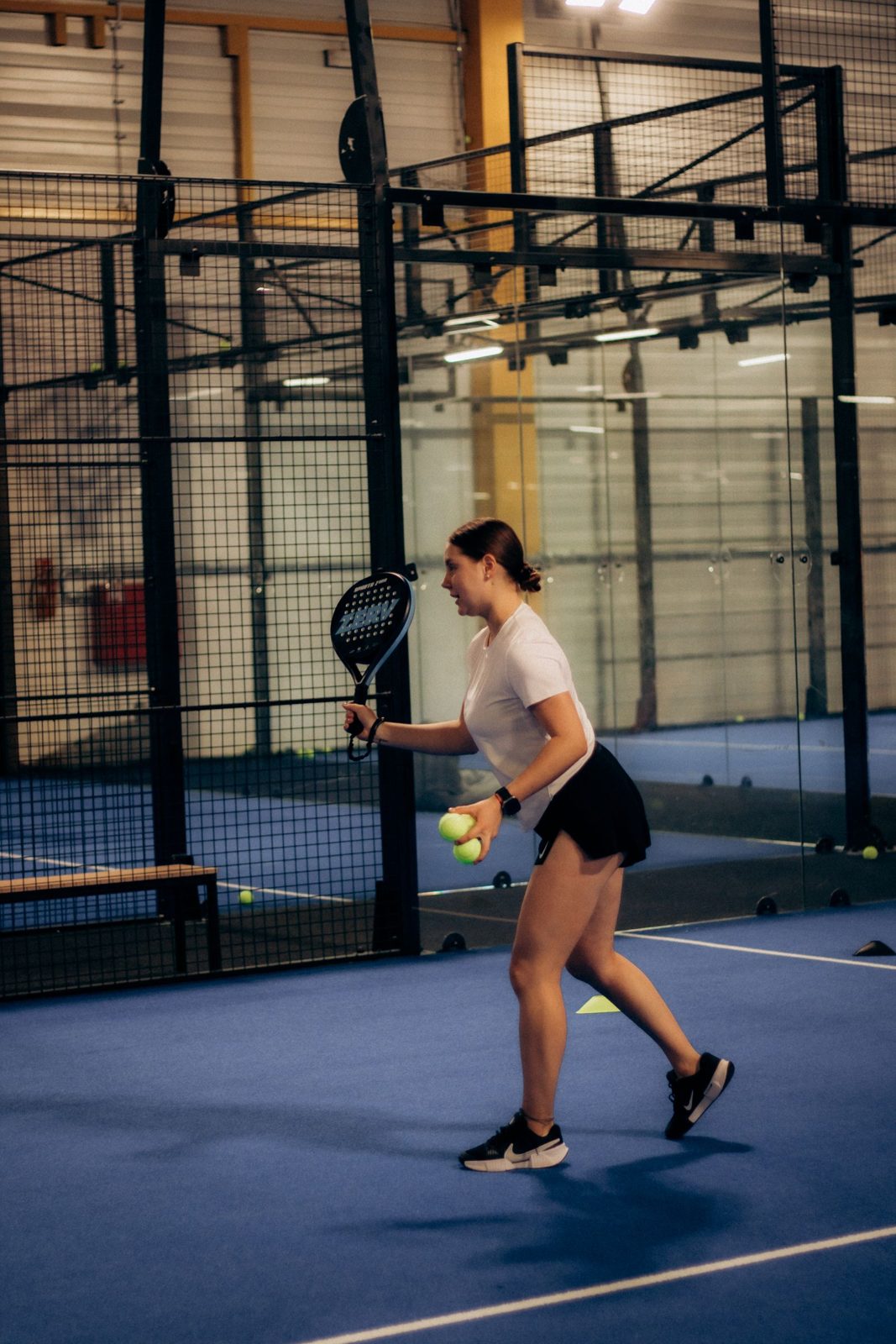
The serve is the biggest difference from tennis, and it is the easiest part of padel to learn. There are no big overhead serves here. Every serve is underarm.
- Stand behind the service line, on the right hand side of your half to start the game.
- Bounce the ball once on the ground behind the service line.
- Hit it at or below waist height, diagonally across the net into your opponent's service box.
- The ball must land in that box. After it bounces, it may hit the glass, but if it hits the metal mesh before a second bounce, it is a fault.
- You get two attempts, just like tennis. If the ball clips the net and still lands in the correct box, it is a let and you replay it (unless it then hits the mesh, which is a fault).
You alternate sides after each point, and the serve rotates between all four players across the set, one full game each.
Scoring: the same as tennis
If you know tennis scoring, you already know padel scoring. Points go 15, 30, 40, game. The first team to win six games, with a two game lead, wins the set, and there is a tie-break at 6-6. Matches are usually the best of three sets.
One thing you will see a lot is the golden point. Instead of playing advantage at 40-40, one single deciding point wins the game, and the receiving team chooses which player receives it. It keeps social games moving and adds a bit of drama. Just agree before you start whether you are playing golden point or advantage.
The walls: the part that makes padel special
This is where padel stops feeling like tennis. The golden rule is simple: the ball must bounce on the ground before it touches a wall on the opponents' side. After that, the walls are fair game.
- Playing off your own walls. Once the ball has bounced on your side, it can come off the back or side glass and you can still return it. Beginners quickly learn to let the ball come off the back wall, step in and play it as it slows down.
- Using your walls to get the ball back. You are allowed to hit the ball into your own back or side walls so that it rebounds over the net, as long as it then lands in your opponents' court. It is a last resort shot, and it feels brilliant when it works.
- Hitting the opponents' walls. If your shot hits their glass or mesh before bouncing on their court, you lose the point.
Volleys and the net
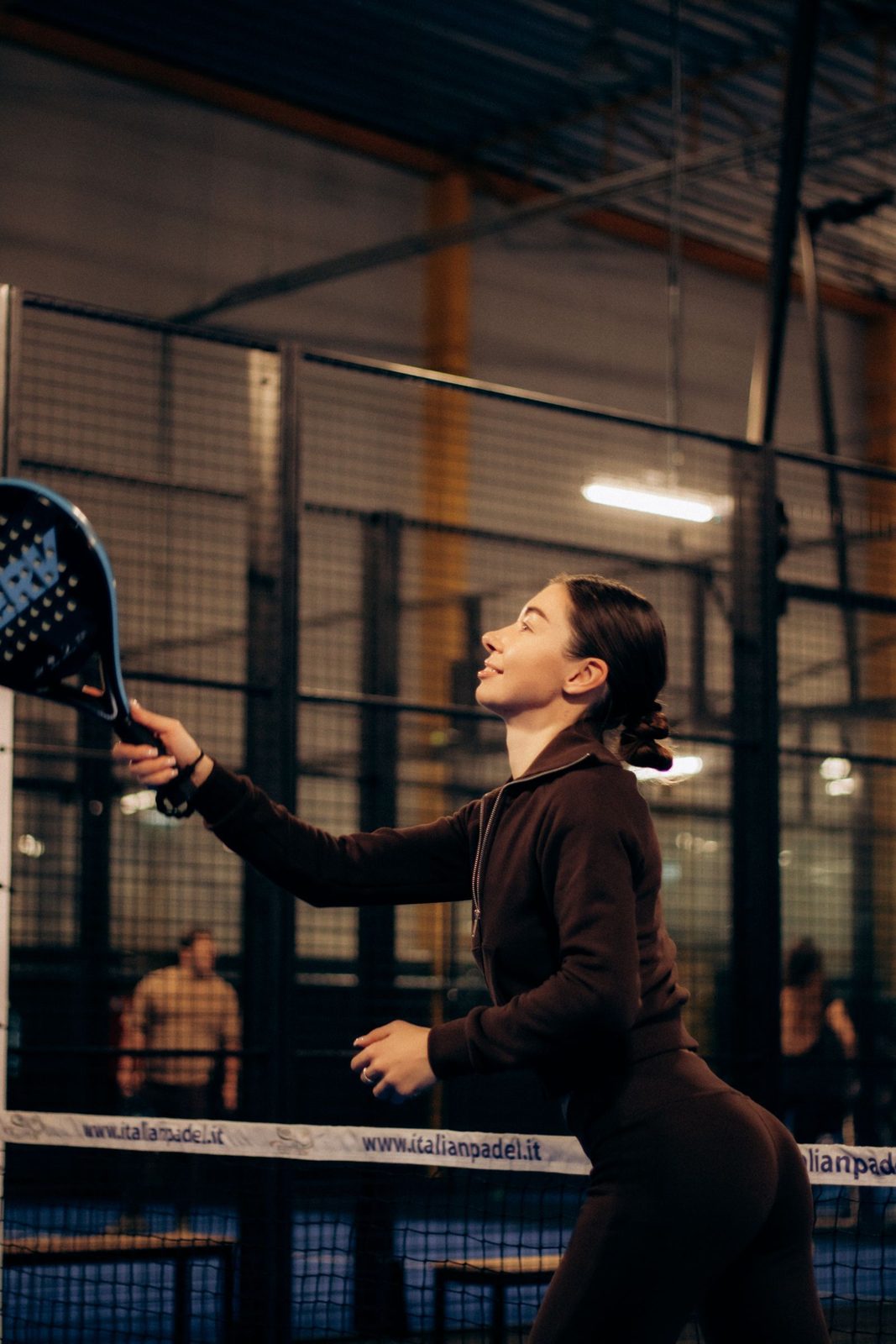
You can volley (hit the ball before it bounces) at any time, except when returning a serve, which must bounce first. In fact, the net is where most points are won. Good doubles pairs try to move forward together and control the net, while the other team tries to push them back with lobs.
You must not touch the net with your body, clothing or racket while the ball is in play, and you cannot reach over the net to hit the ball unless it has bounced on your side and is carrying back over.
How you lose a point
- The ball bounces twice on your side before you return it.
- Your shot hits the net and does not go over.
- Your shot hits the opponents' walls or mesh before bouncing in their court.
- Your shot hits your own mesh on the way over, or goes directly out of the court.
- The ball touches you, your partner or your clothing.
- You hit the ball twice, or both partners hit it.
Balls that leave the court
Some courts have openings at the sides. In professional padel, a ball that bounces and then leaves the court through one of these openings can still be chased and played from outside. In most social games, players simply agree that a ball leaving the court ends the point. Agree the house rule before you begin.
Five tips for your very first game
- Be patient with the back wall. Let the ball come off the glass rather than rushing it.
- Keep your swing short. Padel strokes are compact. Big tennis swings send the ball into the back glass.
- Lob more. A high lob over the players at the net is the most useful shot in padel.
- Talk to your partner. Call "mine" or "yours" on every ball down the middle.
- Laugh it off. Everyone misses at first. It clicks remarkably fast.
Do not worry about remembering it all
You can honestly learn padel by playing it. The basics above will carry you through your first game, and everything else makes sense within a session or two. At DOME PADEL, coaching will be available for every level, so if you would like someone to walk you through the rules on court, you will be in good hands.
Be first on court at DOME PADEL
DOME PADEL is opening soon in Stechford, east Birmingham, with 8 indoor courts under one roof, coaching for every level, free parking and dedicated disabled padel courts. Register your interest at domepadelltd.com and you will hear about the opening date before anyone else.
Be first on court
DOME PADEL is opening soon in Stechford, Birmingham. Register your interest to be first to hear our opening date.
Register Interest